2025-26 Student Travel Grant Recipients
The Forensic Sciences Foundation (FSF) is pleased to announce the recipients of the 2025-26 Student Travel Grant Award. The Student Travel Grant consists of a complimentary conference registration and travel expenses (up to $1,500) to attend the 78th American Academy of Forensic Sciences Annual Scientific Conference in New Orleans, LA. The FSF was able to provide the award to nine individuals this year.
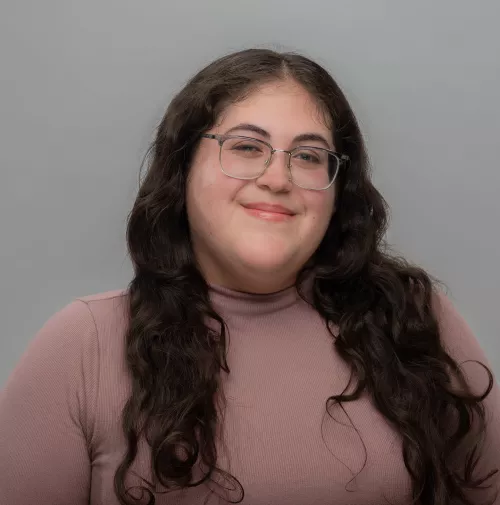
Jazmin Borrayo, BA (Anthropology)
Jazmin Borrayo is a third-year master's student in the Department of Anthropology at the California State University, Chico. She currently serves as a co-manager for the Stable Isotope Preparation Laboratory (SIPL) and a student project lead for the Santa Clara Valley Medical Center (SCVMC) Skeletal Collection at Chico. Jazmin is also a member of the Human Identification Laboratory (HIL) recovery team and serves as a lab volunteer in the HIL. Her thesis research focuses on fluvial transport, specifically examining the effects of neutral buoyancy as a variable that impacts the transport velocity of human remains within the Sacramento River in California. Her research aims to expand our current understanding of fluvial transport and aid in advancing search and recovery protocols.
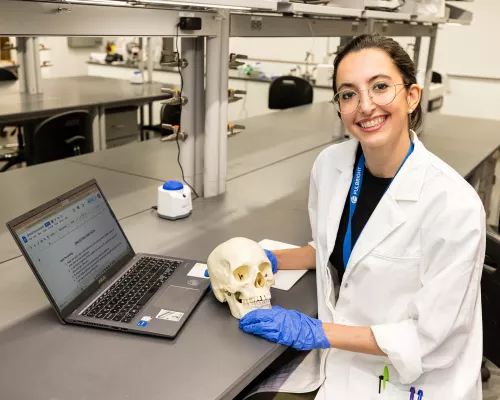
Maria J. Castagnola, MS (Criminalistics)
Maria J. (Josefina) Castagnola is a third-year PhD student in Chemistry with a focus on Forensic Epigenetics at the New Jersey Institute of Technology (NJIT). Originally from Argentina, Josefina holds a BA/MA in Biochemistry and Pharmacy from the University of Buenos Aires (UBA), where she previously worked as a forensic research scientist. Growing up in a country with a strong history of identity and justice shaped her interest in applying science to human identification and human rights–related investigations. In 2023, Josefina was awarded a Fulbright scholarship to pursue her doctoral studies in the United States. Her work focuses on DNA methylation in skeletal tissues as a tool for age estimation in forensic anthropology contexts, supporting human identification in cases where skeletal remains are the only available evidence. In the ForenBios Lab, under the mentorship of Dr. Sara Zapico, she has presented her research at international forensic conferences and actively collaborates on interdisciplinary projects related to human identification. Through her research, Josefina is driven by the belief that advancing forensic science can help restore identity, support justice, and provide answers in complex forensic and humanitarian cases.
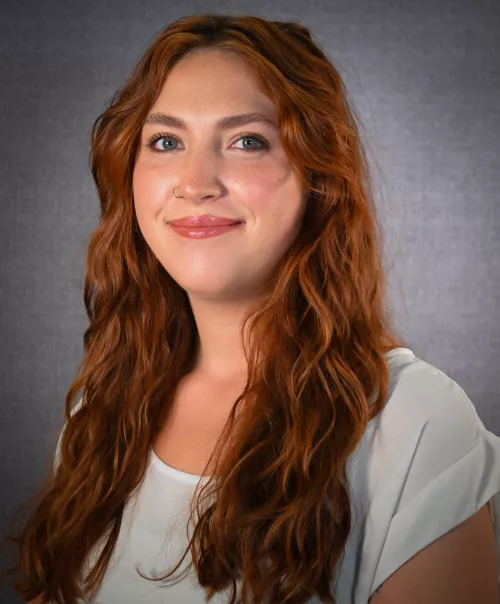
Delaney Edwards, MA (Anthropology)
Delaney Edwards is a doctoral student in Health and Rehabilitation Sciences at The Ohio State University, specializing in forensic anthropology and skeletal trauma analysis. She received a BS in Anthropology with a concentration in Biological Anthropology from Appalachian State University in 2021 and a MA in Anthropology from Texas Tech University in 2023. Her research focuses on skeletal trauma, with particular interest in the quantification of relationships between intrinsic variation, extrinsic factors, and fracture initiation and propagation patterns. She also participates in research that analyzes crash and autopsy data to uncover key risk factors for severe and fatal injuries, guiding strategies that improve occupant protection. Through her work at the Injury Biomechanics Research Center, Delaney combines advanced imaging, statistical analysis, and experimental methods to improve skeletal trauma interpretation.
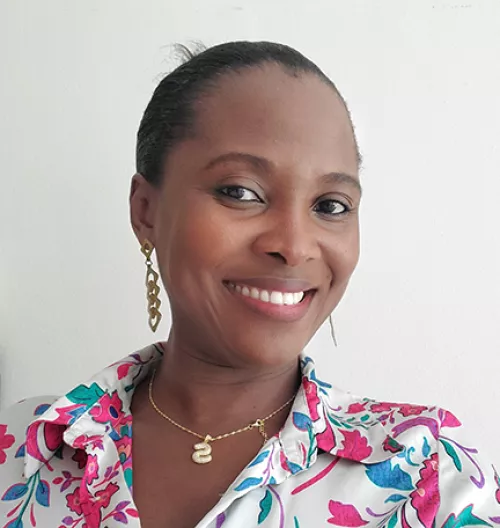
Sylvia S. Etim, MS (Criminalistics)
Sylvia Etim is a PhD Candidate at Florida International University (FIU) in the Forensic Chemistry program. She hails from Nigeria, where she obtained her bachelor's degree in Biochemistry from Madonna University, master's degrees in molecular Drug Metabolism and Toxicology (MDMT) from the University of Ibadan and Chemistry from FIU, respectively. Prior to her studies, she was a research scientist with the Defence Identification Center, a volunteer with Defence Reference Laboratory on COVID-19 project, a forensic and analytical chemist at Katchey Laboratory Limited. Currently, she works in the McCord research laboratory on a Department of Homeland Security (DHS) -sponsored project to develop forensic applications for nanowell-based digital PCR (dPCR). She is interested in microbial forensics, genetics, and crime scene investigations.
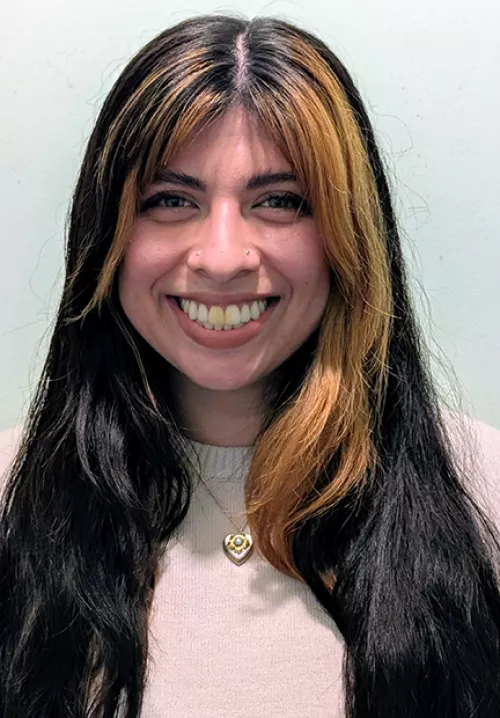
Jasmine R. Hernandez, MS (Anthropology)
Jasmine Hernandez received her Bachelor of Arts in Anthropology from the University of California, Berkeley and her Master of Science in Human Skeletal Biology from New York University. As a student in New York, she taught Forensic Anthropology at NYU as well as Forensic Anthropology and Forensic Science at Brooklyn College, where she discovered a joy in working with and teaching undergraduates. Jasmine is currently a third-year PhD student in the Evolutionary Anthropology program at the University of New Mexico. As a graduate student, she is a research assistant on a Missing and Unidentified Human Remains (MUHR) grant where she aids in the re-investigation of cold cases from the Office of the Medical Investigator (OMI) in Albuquerque, NM. Her research focuses on expanding forensic identification methods for individuals from Latin America, particularly in Mexico, to support identification efforts within the United States at the Mexico-United States border and abroad. Outside of her research and assistantship, she helps track migrant deaths in New Mexico for the OMI.
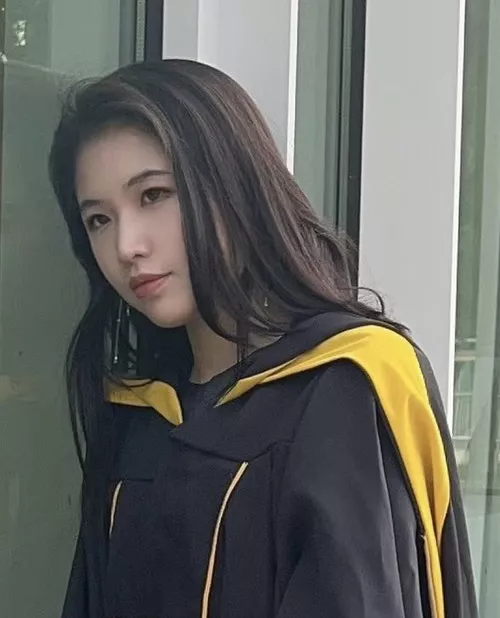
Xiao Hu, MS (Digital & Multimedia Sciences)
Xiao Hu is a PhD candidate in Computer and Information Technology at Purdue University and a recipient of the Bilsland Dissertation Fellowship. Her research focuses on digital forensics and cybersecurity, with an emphasis on mobile, IoT, and LLM forensics. Her work has been presented at ISDFS, ISNCC, and DFRWS, where she received the Best Paper Award at ISNCC 2024. Her research was selected for oral presentation at AAFS 2025 and featured in the AAFS TV interview. She will present two research projects about iOS Geolocation Evidence Matching (iGEM) software and blockchain forensics in AAFS 2026. In addition to academic research, she has completed a professional internship with Bloomberg's Chief Information Security Office and has received awards in CTF competitions. Xiao holds an MS in Security Informatics from Johns Hopkins University and a BE in Information Security from South China University of Technology. She is expected to complete her PhD in 2026 and plans to pursue research-oriented roles in digital forensics and cybersecurity.
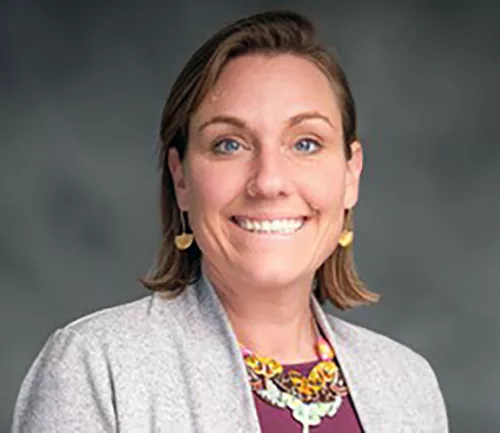
Katharine Pope, MA (Anthropology)
Katharine "Kat" Pope is a forensic anthropologist whose career spans historical and modern forensic investigations. She is currently a PhD candidate in Anatomy and Human Identification at the University of Dundee, where her research examines the use of forensic anthropologists in unidentified human remains investigations. She previously earned her master's degree in Forensic Anthropology from Texas State University. For 15 years, Kat worked as a medicolegal death investigator in medical examiner offices in New York, New Jersey, Maryland, Delaware, and Texas, applying her anthropology expertise to skeletal casework and long-term unidentified remains cases. She spent five years with the National Missing and Unidentified Persons System (NamUs). She is currently contracted with SNA International in support of the Defense POW/MIA Accounting Agency (DPAA) as a Disinterment Historian for South Pacific WWII Unknowns. She also serves as a Forensic Anthropologist on DMORT Team II. Kat is an AAFS Anthropology Section Fellow and a Diplomate of the American Board of Medicolegal Death Investigators. She is Chair of the Society of Forensic Anthropologists board of directors, co-chair of the AAFS Vicarious Trauma and Interdisciplinary Session committees, and newly elected to serve on the ASB and International Association of Coroners and Medical Examiners board of directors. During the COVID-19 pandemic, she founded Forensics Found, a peer support community and podcast to highlight the experiences and resilience of forensic professionals.
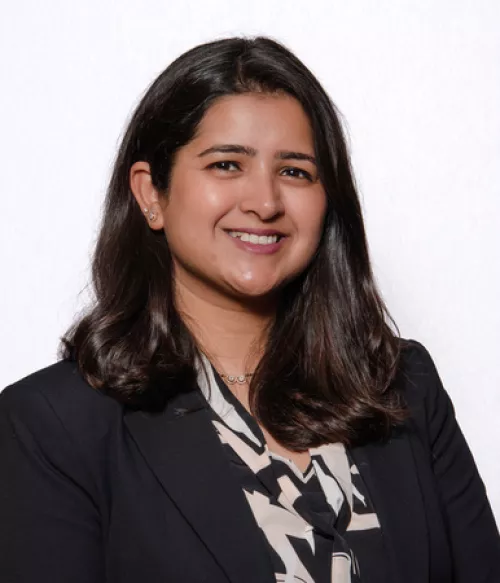
Sonali Tyagi, MS (Digital & Multimedia Sciences)
Sonali Tyagi is a PhD candidate in Digital Forensics at Purdue University. Her research focuses on the misuse of artificial intelligence and large language models in cybercrime, including child sexual exploitation and digital evidence analysis. She is actively involved in forensic science research, teaching, and professional service, and her work aims to support forensic practitioners and law enforcement in addressing emerging technology-driven crimes.
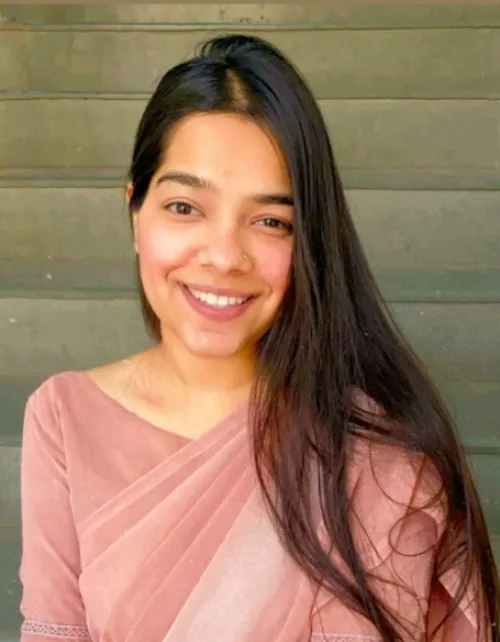
Akshita Verma, MS (Toxicology)
Akshita Verma is a fourth-year PhD candidate in Chemistry (Forensic Track) at Florida International University (FIU). She holds two master's degrees, an MS in Forensic Science from India and an MS in Chemistry from FIU, earned during her doctoral training. Her doctoral research focuses on forensic and analytical toxicology, with an emphasis on advancing high-resolution mass spectrometry approaches for the detection and confirmation of New Psychoactive Substances (NPS) in human biological matrices. Her dissertation research is funded by the National Institute of Justice (NIJ). In addition, Akshita is also a recipient of the prestigious NIJ Graduate Research Fellowship (FY 2024), which supports a separate research project also centered on NPS analysis using advanced high-resolution mass spectrometry techniques. Prior to her doctoral studies, she served as a forensic science educator in India for two years and has since presented her research at multiple forensic science conferences in both India and the United States.
The views and opinions expressed in the articles contained in the Academy News are those of the identified authors and do not necessarily reflect the official policy or position of the Academy.