University of Central Oklahoma Hosts Forensic Science Curriculum Training for Secondary Educators
Program Name: Forensic Science Institute – University of Central Oklahoma
Title of Program Event: Forensic Science Curriculum Training for Secondary Educators
Event Date: August 3 – 6, 2026 (currently at capacity – accepting applications for 2027 training)
URL: UCO: Curriculum Training for Teachers
Brief Description of Event:
For over a decade, the Forensic Science Institute (FSI) at the University of Central Oklahoma (UCO) has extended its expertise to secondary educators nationwide. Through its Forensic Science Curriculum Training, the FSI equips middle and high school teachers with the practical knowledge, resources, and teaching strategies needed to bring dynamic, real-world forensic science into their classrooms.
This intensive program stands out for its strong emphasis on applied, inquiry-based learning. It challenges participants to design authentic contexts for applying complex forensic science content knowledge within their own classrooms. Utilizing this hands-on approach ensures that the learning is not just theoretical but directly transferable to engaging and impactful educational experiences for students.
Under the expert guidance of FSI faculty, participants delve into a comprehensive curriculum designed to equip them with everything they need. The training is entirely free to participants, and they receive a full set of materials, including detailed lesson plans, engaging lectures, and guidelines for hands-on activities and laboratory exercises.
The breadth of topics covered is extensive, mirroring the diverse specializations within the forensic science field. Educators gain expertise in critical areas such as:
- Crime Scene Processing
- Medicolegal Forensics
- Firearms Analysis
- Fingerprint Processing and Analysis
- Forensic Anthropology
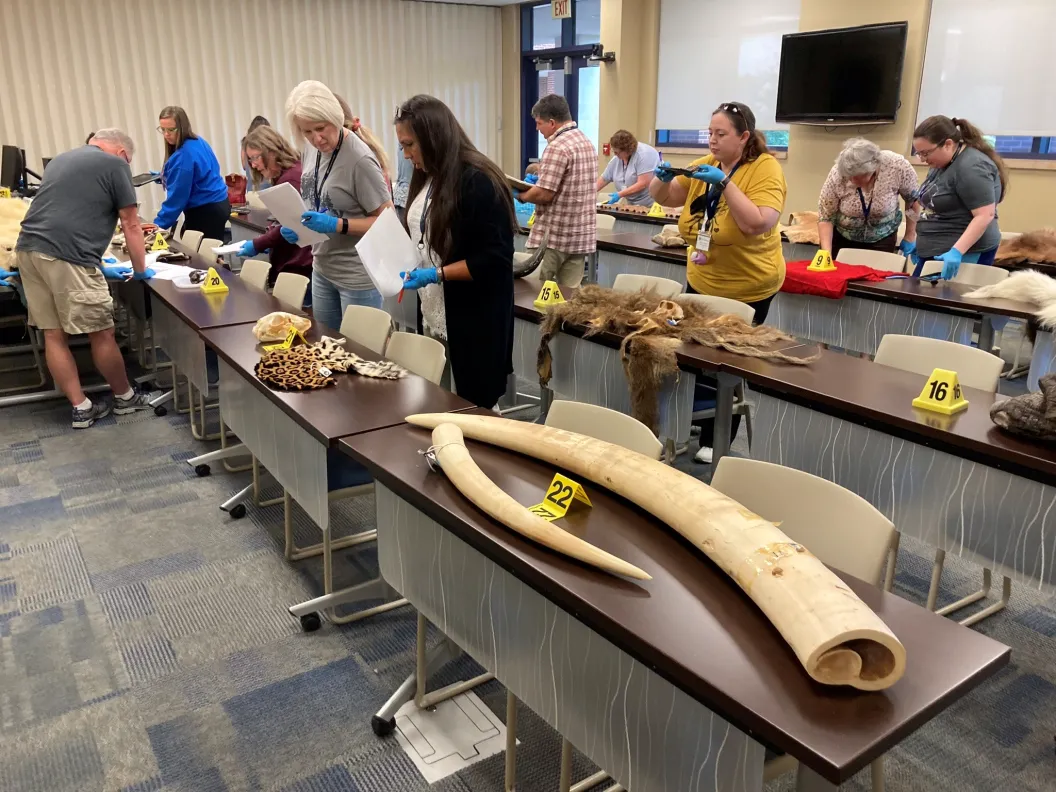
- Wildlife Forensics
- Forensic Science and the Law
- Behavioral Aspects of Crime Scenes
- Forensic Serology
- DNA Analysis
- Forensic Chemistry and Toxicology
- Digital Forensics
- Bloodstain Pattern Analysis
Beyond providing curriculum materials, the FSI supports long-term professional growth by awarding micro-credentials and a certificate of completion to participants, formally recognizing their dedication and enhanced expertise.
The impact of this initiative is undeniable. Over the past decade, approximately 300 teachers have benefited from this workshop, traveling from states as far as Florida, Georgia, Tennessee, Washington, Texas, Illinois, California, Maine, New Jersey, and New York, alongside numerous local Oklahoma educators. To maximize individualized instruction and the hands-on application of skills, the training program limits its annual enrollment to just 30 teachers. This ensures they receive unparalleled access to state-of-the-art laboratories, immersive crime scene simulations, and advanced forensic technology.
The Forensic Science Curriculum Training at UCO's FSI is more than just a professional development opportunity; it effectively bridges the gap between cutting-edge forensic science and secondary education, ultimately inspiring the next generation of forensic scientists, critical thinkers, and informed citizens.
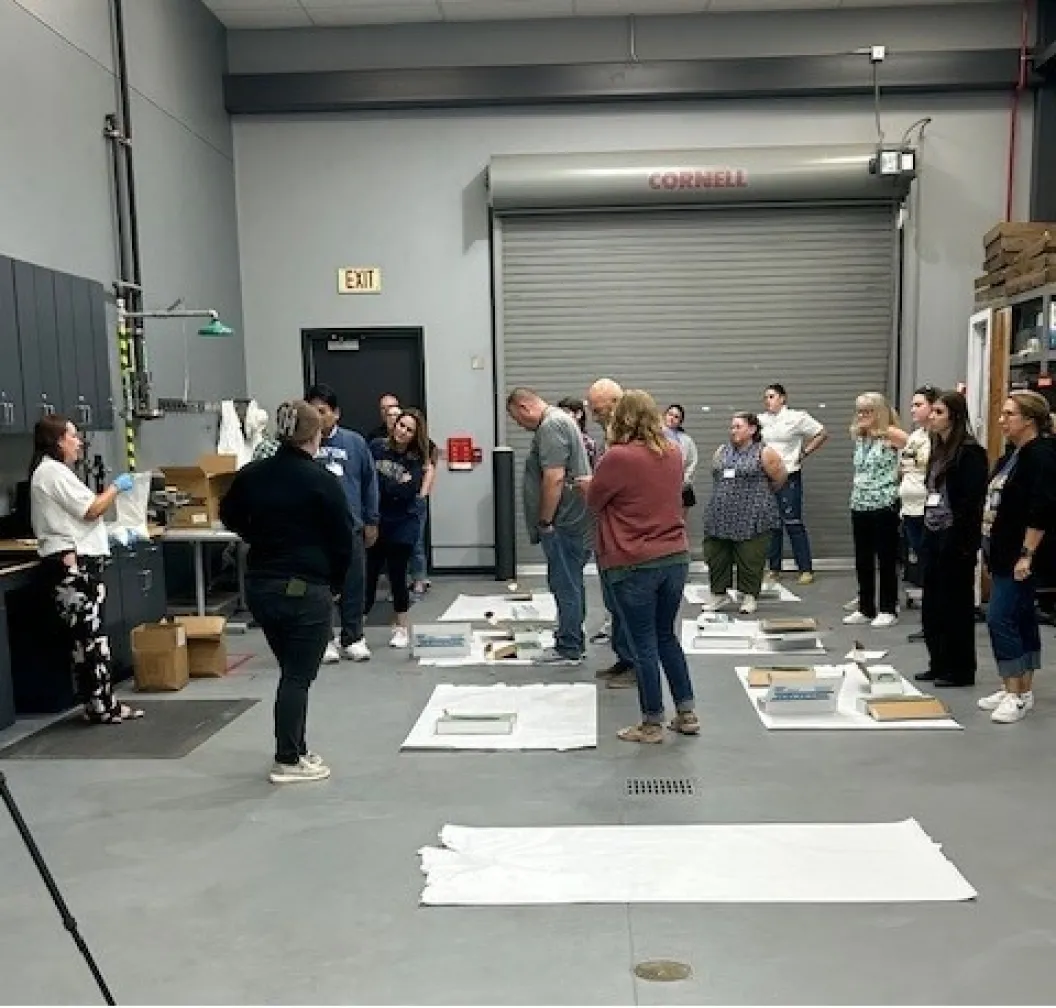
Wildlife Forensics – Identification Activity
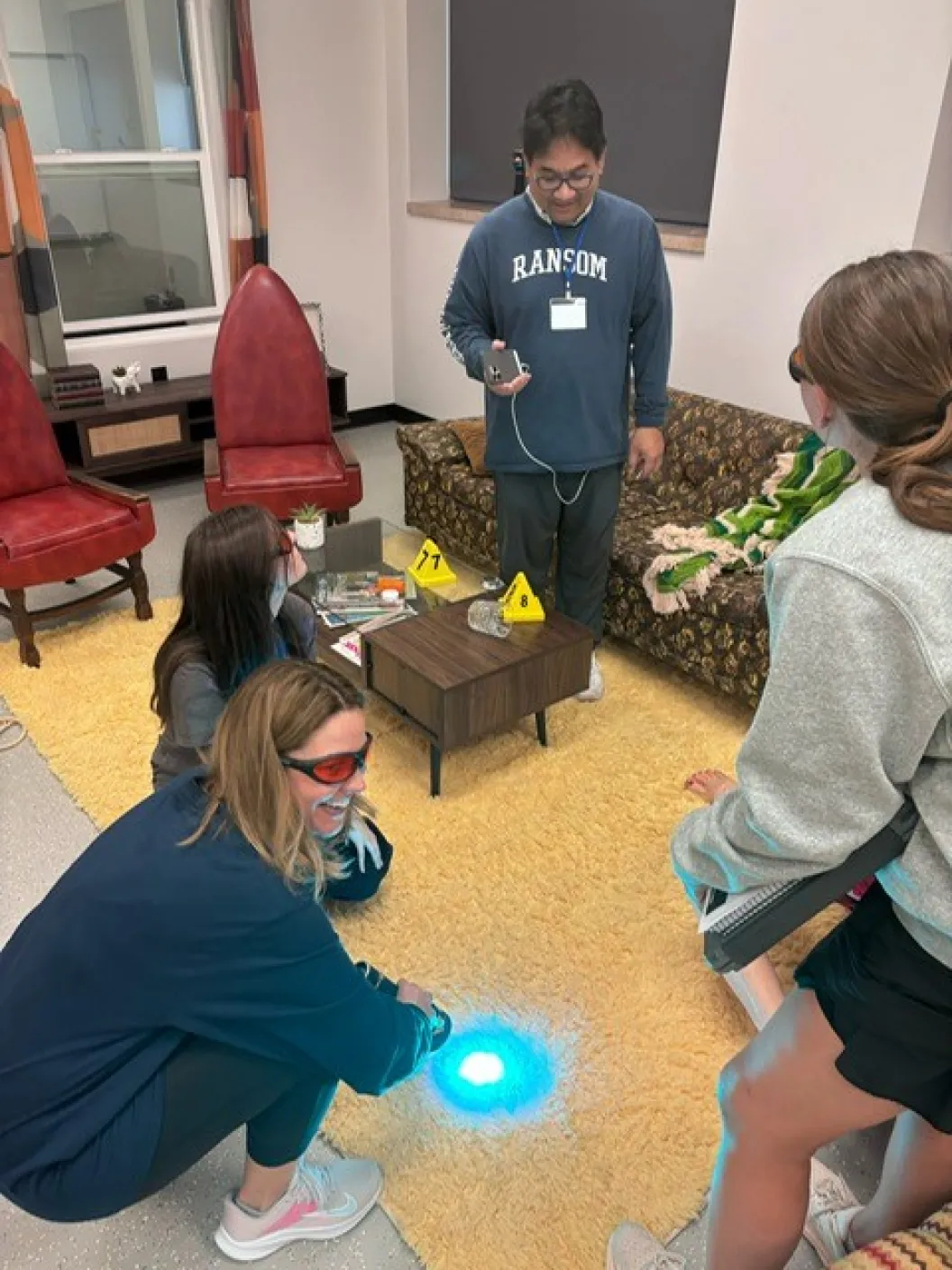
Impression Evidence Casting and Analysis
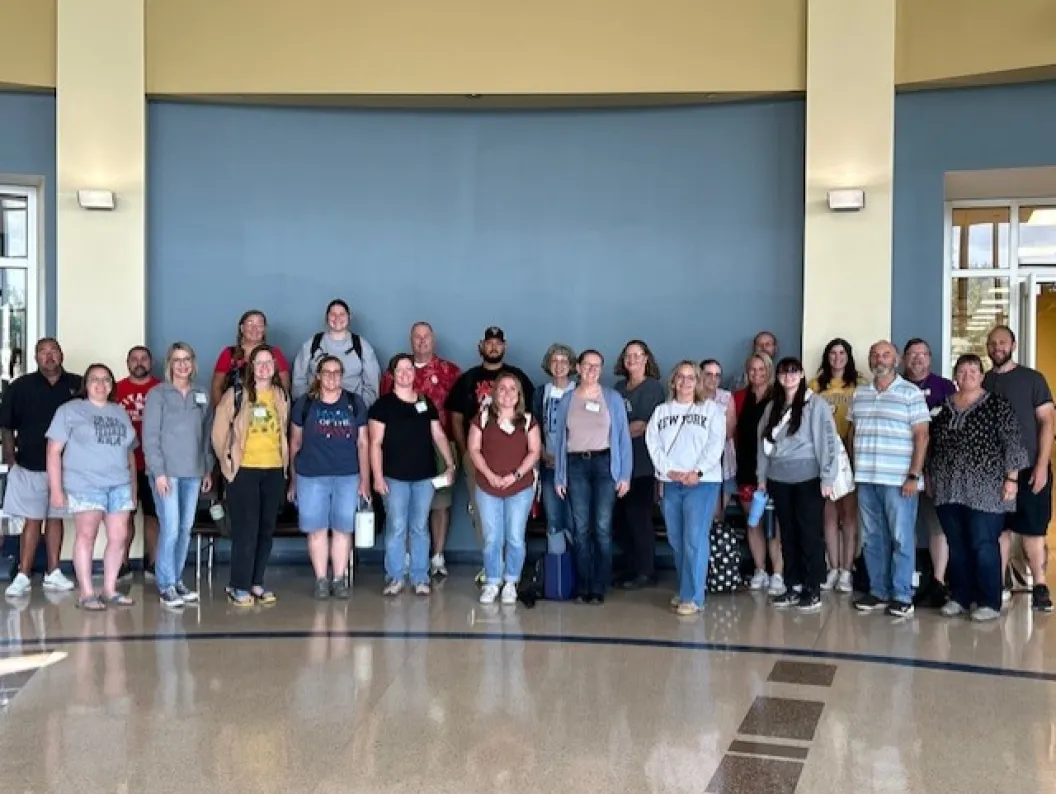
Forensic Science Curriculum Training – 2025 Cohort
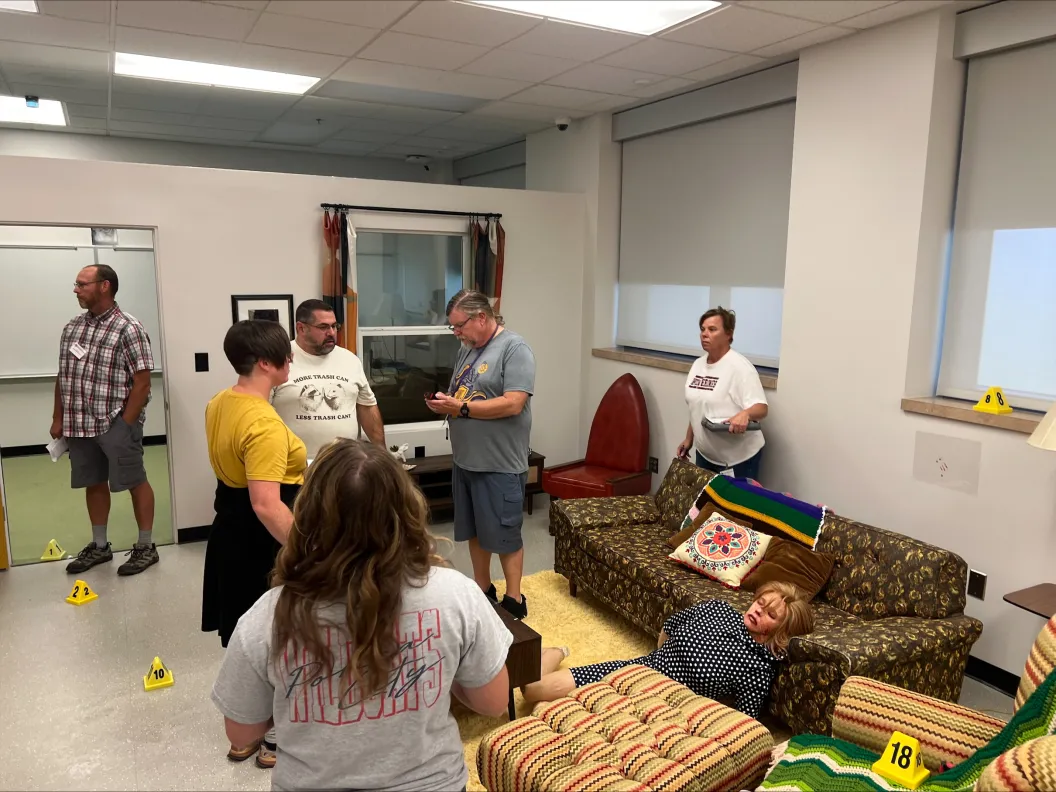
Crime Scene Processing – Crime Scene House at the University of Central Oklahoma
Crime Scene Processing – Crime Scene House at the University of Central Oklahoma
The views and opinions expressed in the articles contained in the Academy News are those of the identified authors and do not necessarily reflect the official policy or position of the Academy.